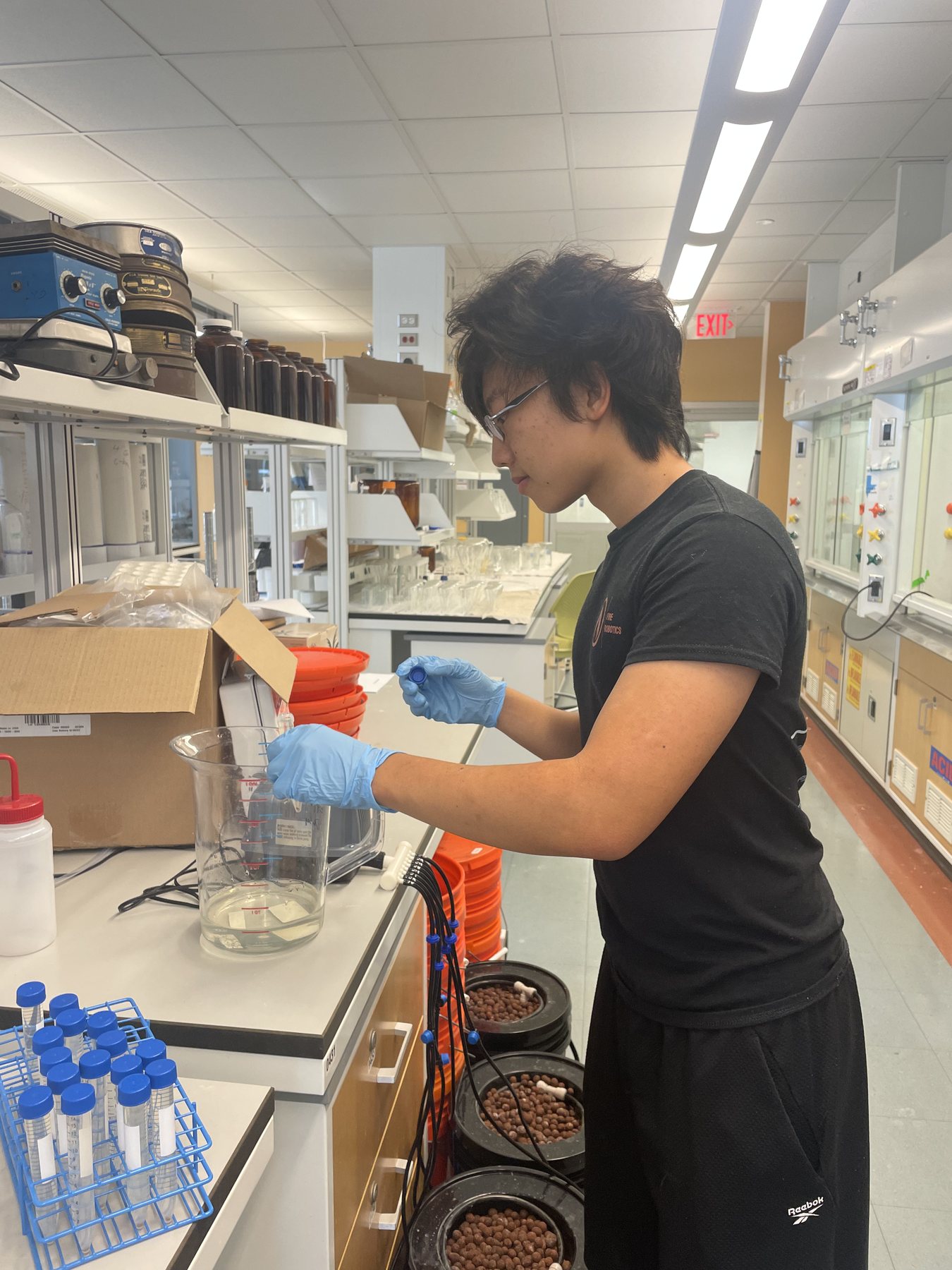
Rutgers SCAR VEXU
Competition robotics design and driving work during the 2025-2026 season, including more than 300 CAD hours and full robot design responsibility.
Open the interactive portfolio
This portfolio covers CAD-heavy robots, research tools, and models where hardware, control systems, and data meet. I am a Rutgers University mechanical engineering student focused on robotics, controls, rapid prototyping, and applied research.
Competition robotics design and driving work during the 2025-2026 season, including more than 300 CAD hours and full robot design responsibility.
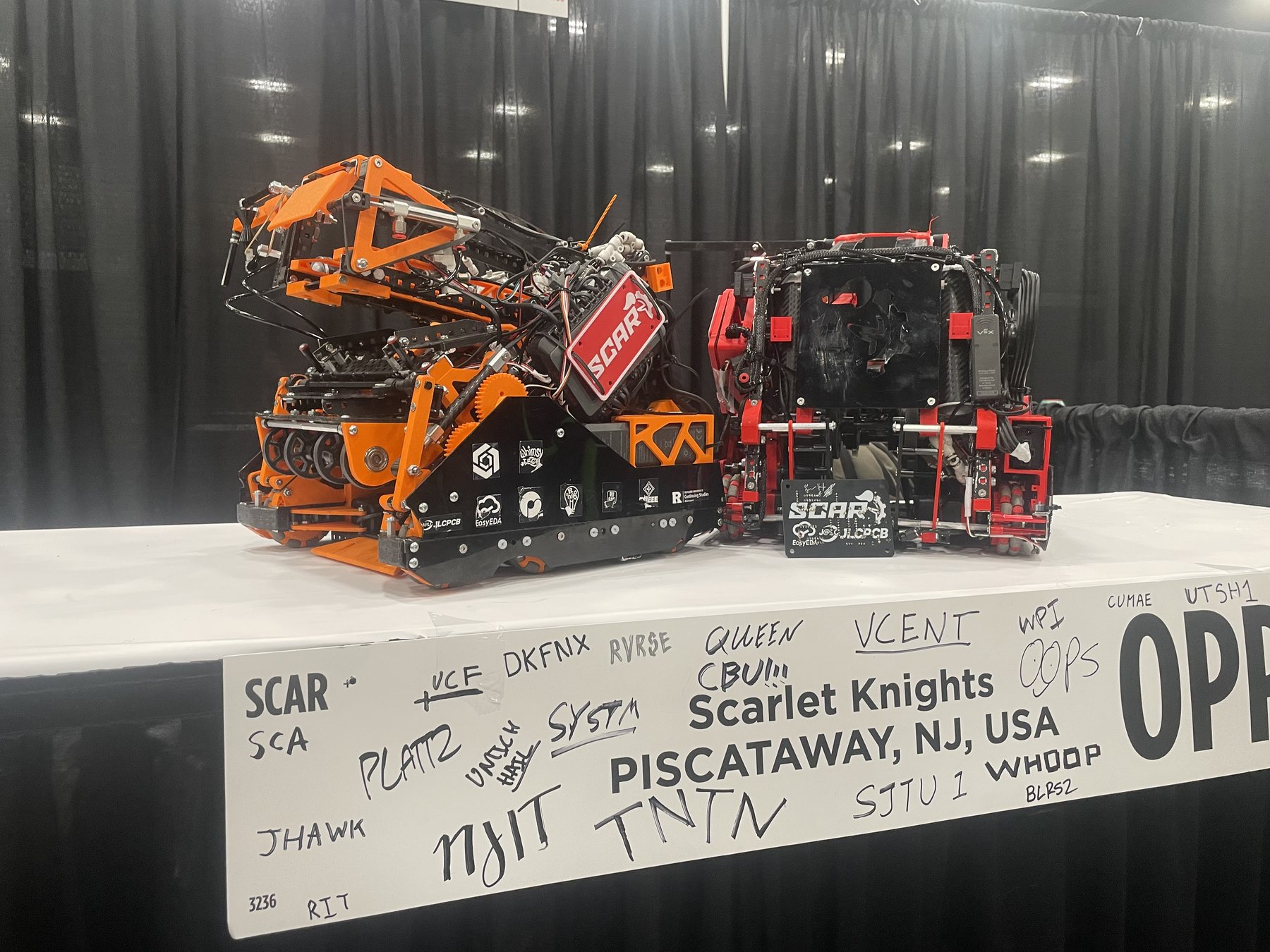
Extended Hugging Face's open-source LeRobot framework into an end-to-end development platform for a six-degree-of-freedom SO-101 robotic arm, connecting physical hardware, ROS 2 and RViz visualization, teleoperation, demonstration recording, imitation-learning policies, and Isaac Lab simulation.
Technology: Python, PyTorch, LeRobot, ROS 2, RViz, Isaac Lab, RSL-RL, OpenCV, MediaPipe, Hugging Face, ESP32 and Arduino, Firestore, UDP, URDF, and USD.
Built with close friends at HackPrinceton 2026: a full-stack voice-based interview coaching platform with resume-driven personalization, company research, role-specific behavioral questions, AI evaluation, and privacy-aware webcam delivery analysis.
Stack: React, TypeScript, FastAPI, PostgreSQL, OpenRouter, ElevenLabs, MediaPipe, and Clerk.

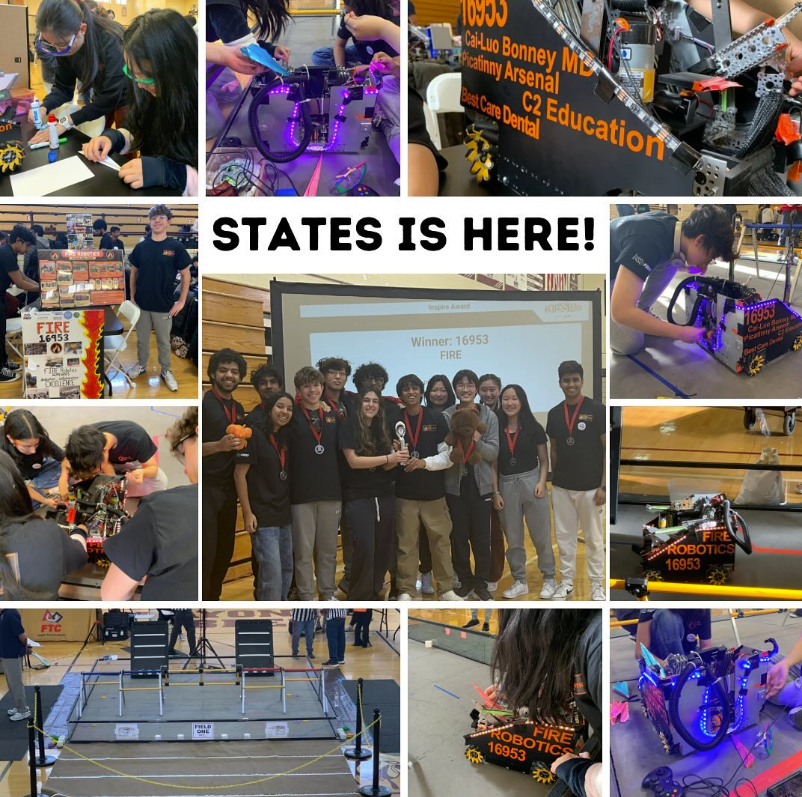
Captain and Head of Finance for a 30+ member robotics team with technical, fundraising, and outreach responsibility. The team secured $3,200 in sponsorships and organized outreach for more than 1,000 attendees.
Co-captain of a school aerospace organization that grew into a 50+ member technical team with launches, mentorship, and community demonstrations.
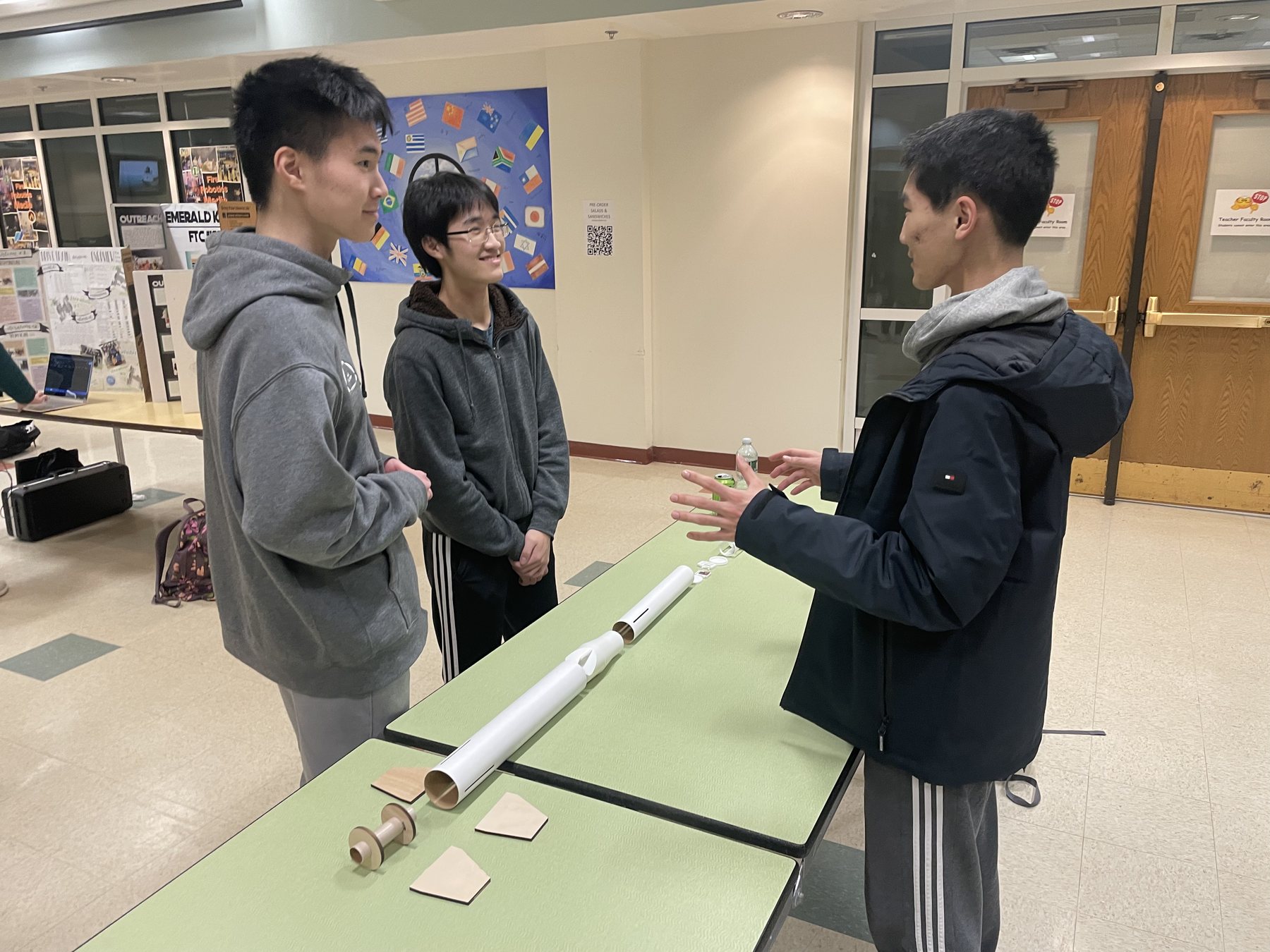
Regional Executive Director for a student-led tutoring and service organization supporting local outreach and educational initiatives in Uganda. The organization raised roughly $10,000 for educational programs.
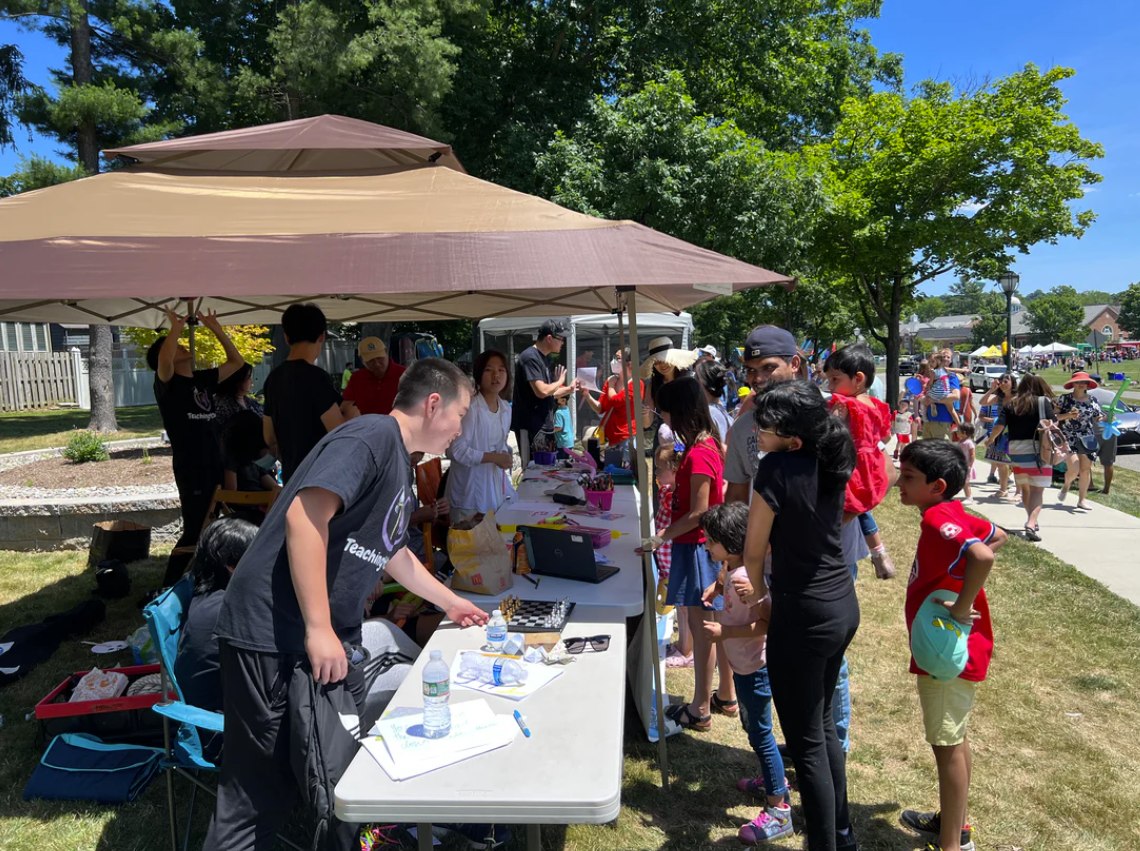
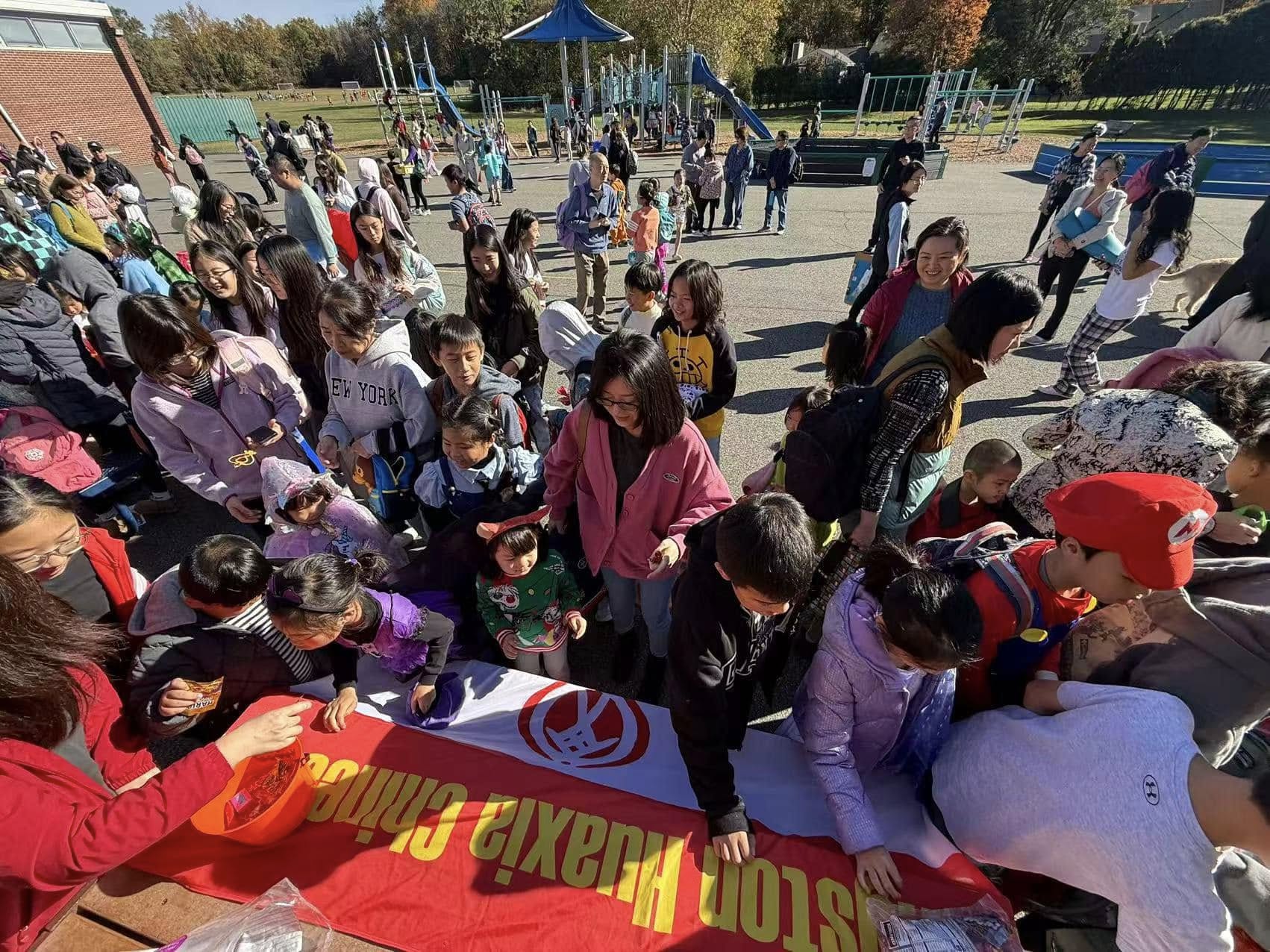
President of the Livingston Huaxia Chinese School Volunteer Club, focused on volunteer operations, faculty communication, service-hour accountability, and community event support.
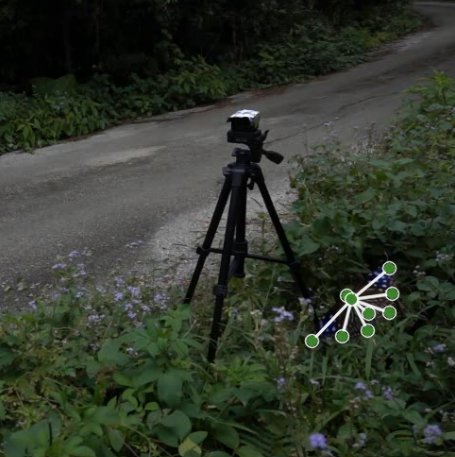
Selected as the sole researcher from 56 applicants for Rutgers Aresty's most popular engineering track. Spring-Summer 2026 research focuses on decoding flapping-insect flight mechanics with computer vision, image segmentation, and reinforcement learning, then translating those principles into autonomous drones.
Assistive robotics research exploring gaze direction as an input signal for selecting or guiding robotic movement when conventional input devices are difficult to use.
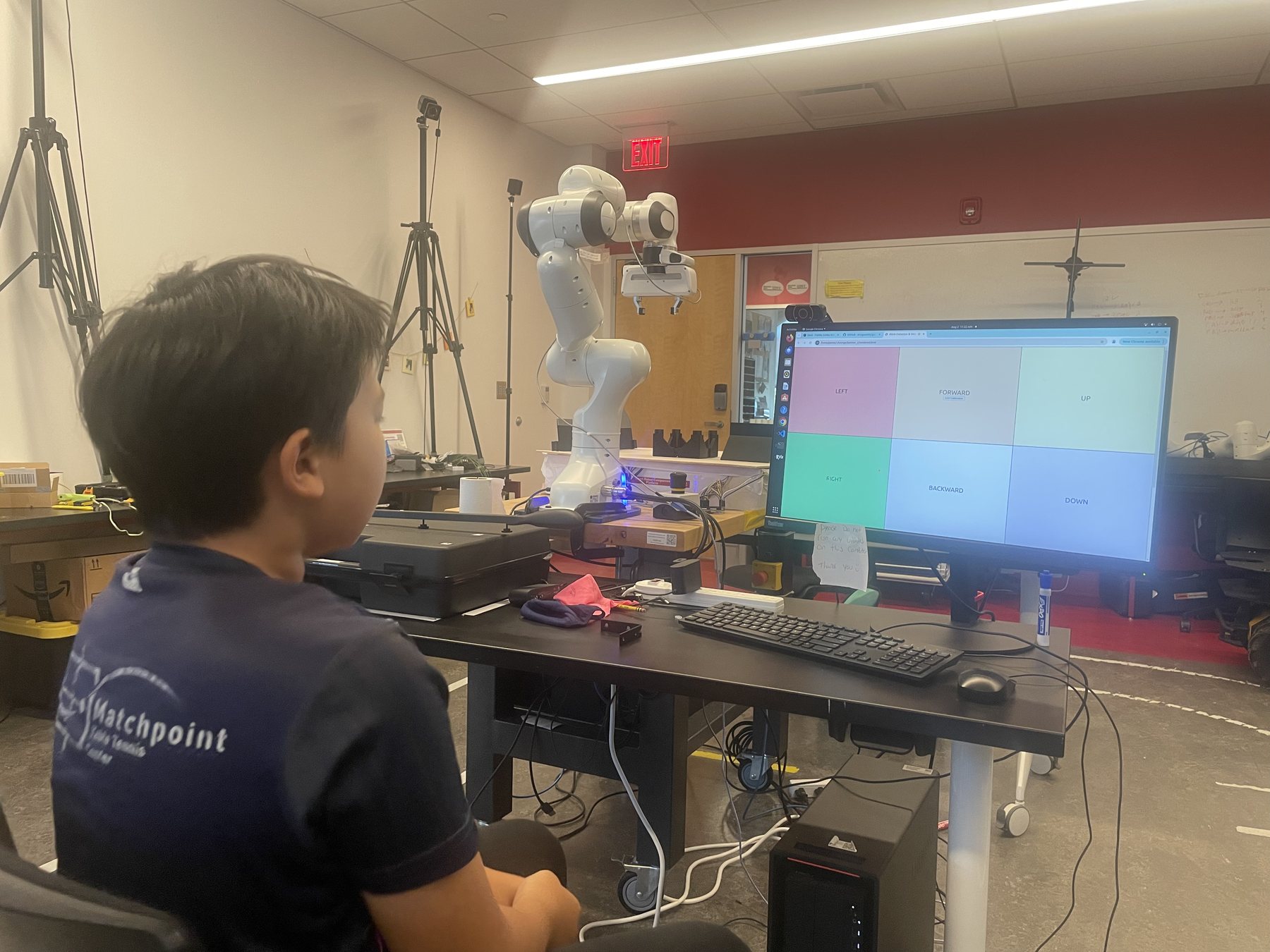
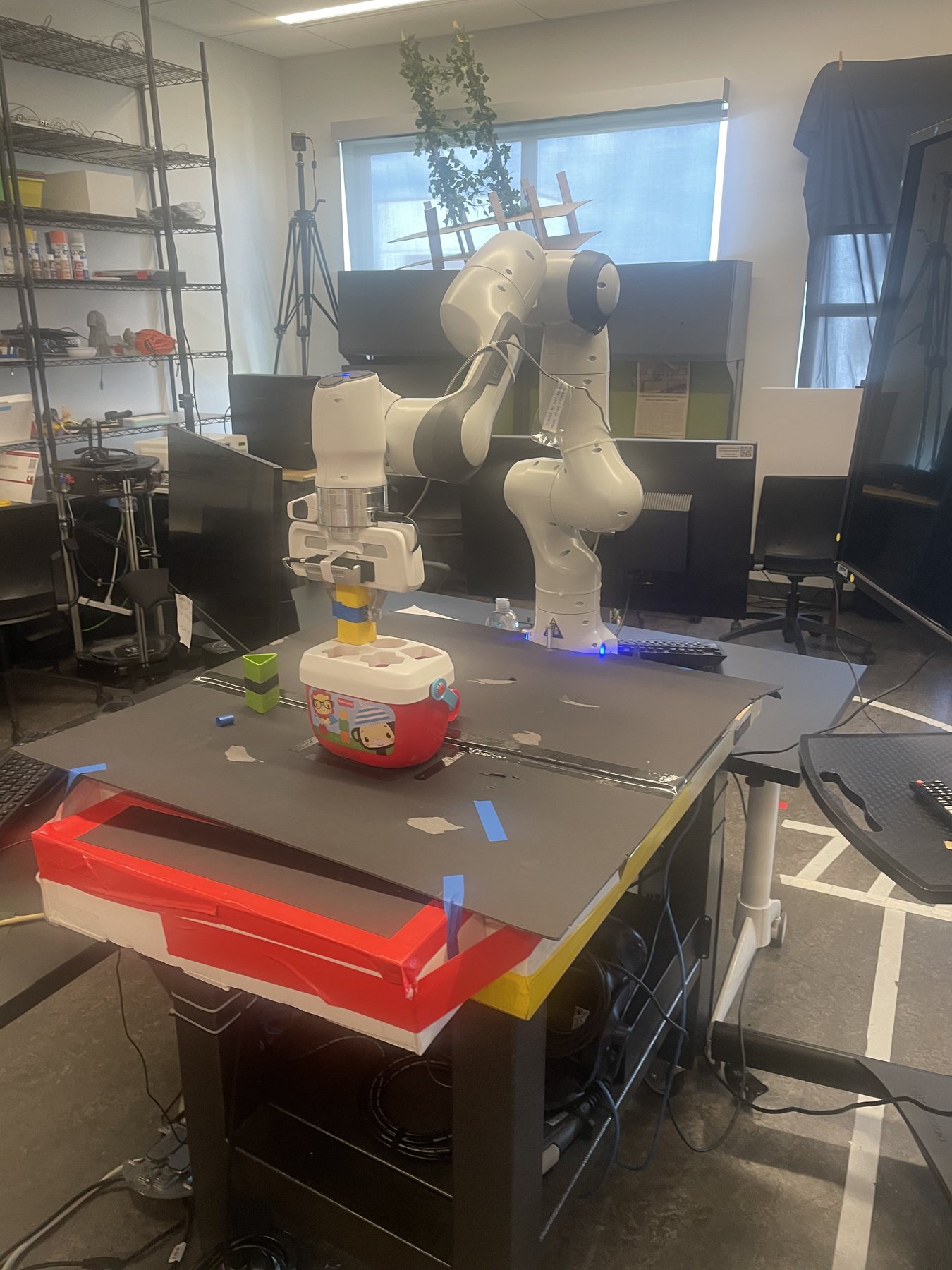
First-author IEEE MIT URTC paper introducing DQN-DMM, a failure-aware Deep Q-Network that uses a modified Gaussian penalty to guide agents away from historical failure points. The approach improved learning speed and stability across CartPole, shower-temperature control, and a real-world robotic-arm task.
Environmental engineering research with Dr. Yang Deng on how granular activated carbon and iron ions can help clear PFAS from water.